 So you’ve spent the last year or so writing your first novel. It may be a great story, but it won’t make the cut if it’s poorly written. Great stories with a significant number of structural and grammatical errors get tossed to the side every day. How’s your dialogue? Does it move your story forward or just sit like a rock slowing things down and encouraging the reader to skip it completely. What about the pace? Do you have the right POV? Have you considered your platform?
You probably stopped after that last sentence. What do you mean Platform? Great manuscripts of first time authors get pushed to the side every day because the aspiring author doesn’t have a solid platform.
Most newbies know the story has to be great and error free. One thing they may not be aware of is the need for a platform.
An agent who seemed genuinely interested in my work rejected it because of my lack of a solid platform. I spent time editing and rewriting major portions of my manuscript to address the issues mentioned above. I was confident and looking forward to a request for a full manuscript. Well, what I got wasn’t a request but a rejection. The reason had nothing to do with my novel.
I had focused so much time on preparing it for publication that I failed to do one of the most important things, build an audience of potential customers. Is it necessary? Unfortunately yes, especially for first-time authors. The agent who rejected me apologized for not delivering better news. She said it was hard to place new authors, and especially those who did not have a solid platform. While she recommended that I send my work to other agents, she emphasized the importance of building a platform.
The good news is, with technology it is a lot easier than you would think. Google ‘building a platform’ and you’ll find all kinds of information. I would personally recommend looking into Michael Hyatt. He is an author, blogger, speaker, and a former chairman and CEO of Thomas Nelson Publishers, so he knows a little bit about what we are trying to accomplish here. I would also recommend his book ‘PLATFORM GET NOTICED IN A NOISY WORLD’. He provides all the information you need to get started, including websites that assist with the creation of your online presence.
I hope this helps someone out there.
-Jan R
 You ever wonder how many words you need to have an acceptable novel? Well, it varies depending on the genre. I pulled the following list from Writer’s Digest and The Manuscript Appraisal Agency. There are slight differences in their numbers, but they are within the following range.
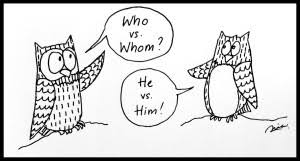 Am I the only person who has a problem with who versus whom? Fortunately, I don’t use sentences requiring these words that often, but when I do, I become paralyzed. I’m not sure. I usually read through the sentence a few times using both words and pick the one that sounds better to me. There is nothing scientific about that. It simply boils down to preference.
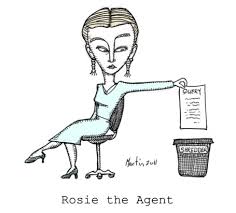
 You’re coming to a close on your manuscript and have started thinking about agents. If you go the traditional route, you are going to want one. Where are they? How do you find one that would be a perfect fit for your work?
 Think about the books you have read. What motivated you to continue to the end? What kept you turning the pages?
 I know you may feel helpless at times. You’ve written an exciting adventure and edited it so many times you’ve lost count. You know you’ve produced a publisheable piece of work, so why isn’t it published. I’ve been there – done that.
 I remember my middle sister as a child. She was the kid who sat in the corner with her nose in a book, didn’t play well with others, well to be honest, didn’t want to play at all. Her friends were imaginary. I always thought that she was a little strange, and she probably was, but she is also one of the most talented writers I know.
 I’m a procrastinator. At least I am when it comes to writing. I know that sounds bad, and I know that it has held me up. I’ve been told by agents as well as published authors that the key to success is simple. Don’t give up!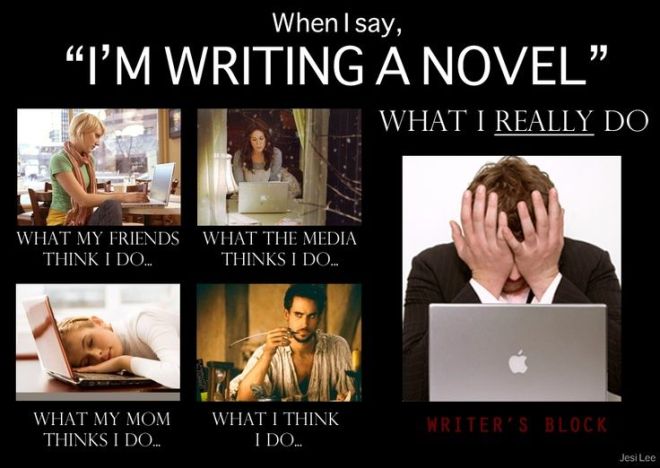
 I can’t count how many times I’ve heard the phrase, ‘show don’t tell’. We all know you’re suppose to show and not tell. Why? You want the reader to experience the scene as if they are one of the characters walking through the story beside the hero/heroine.
 Writing your first novel-Things you should know