
Dialogue is one of my favorite tools in the writing arsenal. You can do so much with it and if done correctly it will keep your story moving forward by showing not telling. One of the key components in dialogue is dialect.
Dialect allows you to differentiate between characters and get a better understanding about who they are. You can learn a lot about a person based on their accent, grammar, and choice of words. Dialect done properly suggests- education level, social status, race, and ethnicity.
Examples of dialect used to differentiate race, social class, education i.e.
gonna vs. going to
kinda vs kind of
holler vs hollow
don’t matta vs It doesn’t matter.
If you have a character from abroad throw in some regional slang (Scottish say-aye for yes and bairns for children).
The next time you read a book take a close look at your characters and their dialect. You will learn a lot. The fact that you didn’t even think about it while reading the novel is a plus for the author. It was seamlessly woven into the story.
Hope this gives you something to think about when writing dialogue. Remember to differentiate through dialect, and the dialect should match your characters position in society. Also remember to be consistent with speech patterns, unless an evolution in speech pattern is an integral part of the story (Flowers for Algernon, My fair lady).
Something to think about!
-Jan R




 Your lead character doesn’t have to leap tall buildings in a single bound, and he doesn’t have to stop speeding bullets with his bare hands, but he darn well better know the difference between right and wrong, and he better be kind to animals, and it sure wouldn’t hurt any if he brushed his teeth regularly. Dean R. Koontz – How To Write Best Selling Fiction
 I just read through and edited my novel for God knows the number of times, I’ve lost count. That’s a problem in itself. I should be more efficient and effective with my time, but I’ll save that issue for another blog.
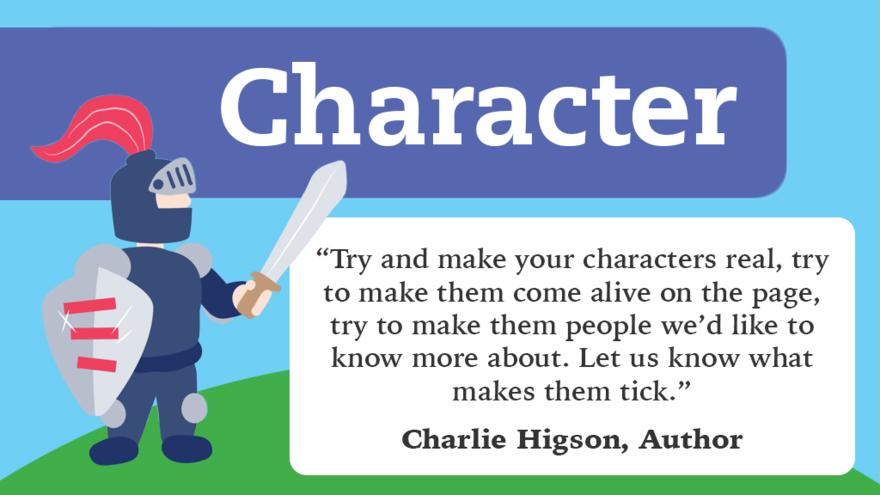
 If you want to draw your reader in, you have to figure out a way to get them to empathize with the main character in your novel. They have to connect. Help them to see and feel what your character is going through.
 Writing your first novel-Things you should know