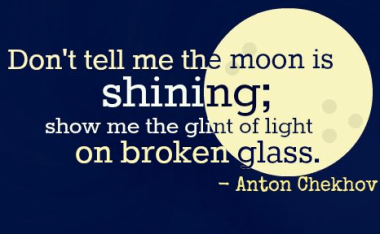
 Spoiler alert! If you were one of the eight people that read this blog two weeks ago, you are experiencing deja vu. I thought it was a good blog, but one thing I’ve learned over the last two years, is the title can make you or break you.
It was initially titled ‘Show Don’t Tell’. I guess that sounded kind of boring, or maybe just to repetitious. Goodness knows how many ‘Show Don’t Tell’ blogs are out there. So I’m reposting it under a new name 🙂
Here goes!
I can’t count how many times I’ve heard the phrase-show don’t tell. You probably saw the title and questioned even reading this blog. Everybody knows you are suppose to show and not tell. You want the reader to experience the scene as if they are one of the characters walking through the story beside the hero/heroine.
If you’re like me, you know what you’re suppose to do, but you don’t really understand what to do to make it happen. How do I show and not tell? It’s a lot harder than it seems. Once you start writing that novel, you’ll understand what I’m talking about.
There are 5 tools for showing:
- Dialogue
- Action
- Interior dialogue
- Interior emotion
- Description-Sensory
If you’re doing anything that’s not one of these 5 things, you’re not showing.
Why is it so important to show versus tell? Showing provides your reader with a powerful emotional experience. If you want to be a best selling author, that’s what you have to do.
It doesn’t matter how great you do everything else in that novel, if you’re missing that emotional experience, you lose. If everything you did is bad, but you have a great emotional experience, you may still win.
It all comes down to the take away. Every great novelist will tell you, you have to give your reader that powerful emotional experience, or they wont be coming back.
-Something to think about 🙂
-Jan R
 When you write a novel, you need to get the facts and details right. Who has ever heard of Bombay, NC or Mount Sanai, Oklahoma? They don’t exist, or if they do, I’ve never heard of them.
 I was lying in bed last night thinking about what I would write about today. I’ve been writing this blog for two years, and I have to admit, there are times when I’m at a loss. I want to share useful information, but I don’t want to sound like a broken record, and I don’t want to duplicate what someone else is writing.
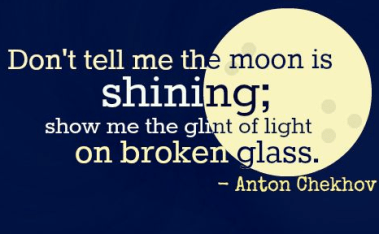 I can’t count how many times I’ve heard this phrase. You probably saw the title and questioned reading it. Everybody knows you are suppose to show and not tell. You want the reader to experience the scene as if they are one of the characters walking through the story beside the hero/heroine.
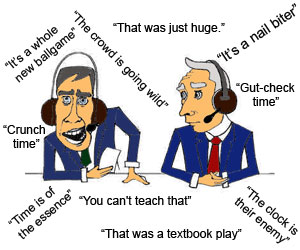 If you’ve been around the writing world long enough, you know there are no new ideas. Kidnaps, robberies, invisible men, aliens, robots, espionage, vampires, zombies, invasions, war, love…they’ve all been conquered again and again and again.
 We’ve talked about weak and strong verbs, but did you know the same holds true for nouns? I never really thought about it, until I took an online class that talked about strong and weak nouns. My first thought on weak nouns; the instructor has to be referring to pronouns. Well he wasn’t and that is a subject for another day.
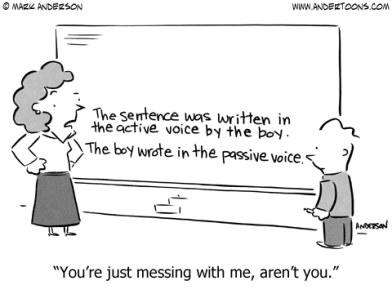 When you write, you want to use the active voice. It’s clean, concise, and simple. The active voice is easy to read and understand.
 When you are writing a novel, you want to use concrete, everyday verbs. Examples of these are jump, smile, run, look, show, and eat. You can picture the actions in your head and there is no ambiguity.
 Have you heard of the Hemingway Editor App? If you’ve been writing for a while, you know about grammarly and autocrit. Both of these Apps focus on grammar and spelling. Hemingway takes it a step further. The App highlights lengthy, complex sentences and common errors; if you see a
  Are you writing what you meant to write? Is your prose concise, and easy to understand? You may have one thing in mind when you write that sentence, only to discover it’s ambiguous, misleading, and sometimes quite humorous.
 Writing your first novel-Things you should know