 What are your favorite reference books on writing? We all have them. I learned following my first rough draft (I didn’t realize how rough it was), that I did not know how to write a publishable novel. I thought I did, but the rejections and the one agent who responded set me straight.
Like many of you, I learn from my mistakes, but I am totally hoping I can keep some wannabees from making the same mistakes I did.
If you follow me, you know I’ve said many times, ” You don’t know what you don’t know.” So needless to say, I began to research various sites and successful authors. I had to learn how to write a novel.
This led me to three of my favorite resource books.
- The Elements Of Style William Strunk, Jr. and E.B. White
- How To Write Best Selling Fiction Dean R. Koontz
- Eats, Shoots & Leaves Lynne Truss
I found The Elements Of Style and Eats, Shoots & Leaves at a library book sale. They cost me a dollar. Unfortunately, the Koontz book is highly recommended but nowhere to be found. I purchased mine from a dealer on eBay for $65.00. I do believe it was worth the price, but you can find all of the information contained in the book on the web.
I didn’t include the Dictionary or Thesaurus. I think they are a given.
These are a few of my favorite things. Yes, I do like Mary Poppins 🙂
-Jan R
 I have to be honest, I just want an agent to say yes, I will represent you. I’ve had my fill of rejections, but I know, just like anything else in life, you need to do your homework.
 I can’t count how many times I’ve heard the phrase-show don’t tell. Everybody knows you’re supposed to show and not tell. You want the reader to experience the scene as if they are one of the characters walking through the story besides the hero/heroine.
 Word Echo? I’m sure you have an idea of what it is, even if you haven’t heard the term before. It’s the use of the same word in close proximity or in the same sentence.
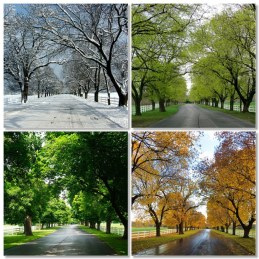 We all go through seasons in our life that seem to dictate our comings and goings, leaving little room for pursuing our interests. I find myself in one of those seasons right now, as I struggle to find time to write while caring for an aging parent.
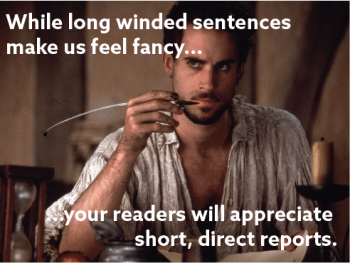 Have you ever read a sentence and thought that is way too long? The author lost you two commas ago, and now you have to go back and read the whole thing again to try and figure out what’s going on.
 Enough already! At least that’s how I feel sometimes. I’ve been through my book more times than I can count. In my own defense, no one taught me how to write. I had a great story idea and decided to give it a whirl.
 Why do so many perfectly nice people make such pompous asses of themselves when they sit down at a typewriter? – Dean R Koontz.
 Commas are an albatross around my neck. Maybe that’s a bit dramatic, but they are frequently my downfall in writing prose. Unfortunately, they are the most common punctuation mark within sentences, so you had better learn their proper use.
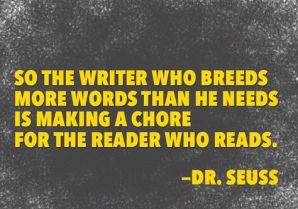 Overwriting is a result of our own effort to figure out what’s happening in any given scene. Only after we have discovered that core truth can we know what truly belongs and what doesn’t, based on a clearer knowledge of what we’re trying to say and what the scene requires. – David Corbett
