 I received two rejections this week, and while they were nice well written form letters, that’s what they were. You know the ones that thank you for considering their agency, and assure you that they will give your work a thorough going over before they make a decision. And then they add, if you haven’t heard from us in two weeks, assume we are not interested, and your work isn’t a good fit for us…
I have to admit besides being a little disappointed, I was skeptical and mad. I’ve put a lot of work into my manuscript. I’ve edited so many versions, that it doesn’t even look like it’s former self. It really is that much better than the original completed work. So what’s the problem?
I’ve heard over and over not to take it personal. It’s business, and truth be known, it may have nothing to do with your manuscript. If there are no obvious flaws with your work, send it out to other agents. Just because you were rejected by one agent, doesn’t mean you will be by the next.
The New York Times best selling author of “The Help”, was rejected by 60 different agents. You read that right. Her 61st attempt was a success. The book was on the best seller list for the entire year and eventually made into a movie.
So why do books get rejected?
Maybe your manuscript just isn’t ready.
- The author can’t format, spell, and doesn’t understand grammar. The result is incomprehensible sentences that leave the reader confused, pulling them completely out of the story.
- Dragging dialogue, head hopping, poor character development, plot holes, info dumping…
- Maybe your work isn’t that bad and with competent editing, it’s publishable. Staff editors don’t have the time and sometimes don’t even have the necessary experience to clean your work up. Hire an editor before you send your manuscript out for consideration if self-editing isn’t an option.
Maybe your manuscript is ready but….
- The agent/agency has an abundance of the genre you just submitted, and they are not accepting anything new in that genre until their inventory decreases. You really weren’t a fit for what they were looking for.
- Maybe the agent/publisher reviewing your work is in such a bad mood, they would turn down Nicholas Sparks “The Notebook”, even if it was handed to them on a silver platter – twenty four did. Agents make mistakes.
- Maybe the storyline/subject matter you’re writing about isn’t selling right now. Zombie books are getting old. People want something new.
- The publisher could literally be in a cash crunch, and no matter how great your book is, they can’t purchase it right now. They have a freeze in place until some books start selling, and they can build up their reserves.
What I’m trying to say, is there are a lot of reasons books get rejected, and they may have nothing to do with your work. I’ve read more than once, that perseverance is the key.
If you have a great, publishable piece of work, don’t give up, submit it to other agencies for review. If you have less than perfect work, roll up your sleeves and get to work. Don’t expect someone to fix it for you. They won’t.
Don’t give up!!!
-Jan R
 When you start talking about copyright and fair use, you are breaching an extremely sensitive and ambiguous subject. How am I suppose to know if a piece of work that is copyrighted is okay to use in my novel?
 I was looking at some of my older blog posts this past week, when something jumped out at me.
 When you hear the word setting, you think of a time period and place, but settings do so much more than that.
 I personally like to read communications where I don’t notice the writing at all. You can achieve that by investing in great content and then stripping away anything that detracts from it.
 Am I the only person that has a hard time writing this time of the year? I’m not talking about my blog. I’m talking about my work in progress and new ideas that are sitting on my desk.
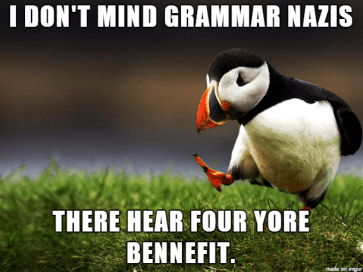 If you think grammar is just a small child’s mispronunciation of “grandmother,” and if you think syntax is a tax that the church levies on sin, maybe you should consider becoming a nuclear physicist or a neurosurgeon or just about anything at all except a novelist. Dean Koontz
 While I’ve been around for a little while now, I certainly don’t consider myself an expert. I consult the experts, and research everything I write to ensure I don’t spread inaccurate information.
 Have you ever read a sentence and stopped? You go back and read it again and again. Sometimes you probably laugh out loud, because it’s funny and definitely not what the author had in mind.
 You’re probably sitting there wondering what in the world I am talking about. I know when I first read about loose sentences, I wondered what in the world the author was talking about. Well let me enlighten you. Loose sentences are sentences with the main concept at the beginning, followed by a string of related details.
 Writing your first novel-Things you should know