 I’ve shared this blog before, but it’s been a while, and a message I think needs to be heard. As new writers, we sometimes listen to everybody but ourselves. Our friends and critique partners mean well, but if you let them, some will try to take over your novel and mold it into what they think it should be.
I was sitting on my couch reworking a scene in the novel I’m writing and stopped right in the middle of it. What am I doing? I asked myself. The purpose of the rewrite was to make some changes based on a critique I received from a critique partner.
The person that critiqued my book is very good at the craft, and I respect her opinion. There were others who critiqued the piece and loved it, offering a few comments here and there to correct grammar or replace a word. So who was right? The three people who loved it, or the one who thought I needed to go back and make some significant changes.
The more I looked at the changes this person suggested, the more I realized she had her own idea of the way the story needed to go, and I had mine.
With this being said, she’s made some great suggestions. Because of her, my story is more believable, my dialogue more natural, and my POV more consistent. Her critiques have been invaluable.
However, I had to remind myself that this is my story. Nobody has a better understanding of the dynamics than I do. Nobody knows it from beginning to end but me. Nobody can tell it better than me.
Weigh comments and suggestions you receive from others and ask this question. Is it making my story better or changing it into something it is not?
Remember: It’s your story.
-Jan R
 Your protagonist is the most important character in the novel. He/she will be in every moment, even if not in every scene.
 There are four main dramatic elements to your novel. You probably never thought about it, but if you did it right, they are there. If they’re missing, you need to revisit your work and make some adjustments.
 Plot versus story? I have to be honest, I thought they were the same thing. I was listening to an instructor this week who set me straight. They are not, and both components are necessary for a successful novel.
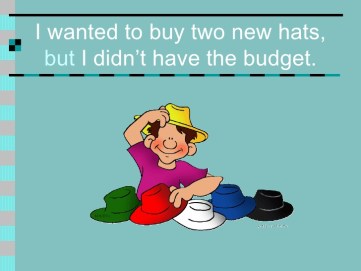 You’re probably sitting there wondering what in the world I am talking about. I know when I first read about loose sentences, I wondered what in the world the author was talking about. Well, let me enlighten you. Loose sentences are sentences with the main concept at the beginning, followed by a string of related details.
 I’ve written before about the importance of the first five pages of your manuscript. If you ever decide to go the traditional route of publishing, the agent usually asks for the first five pages. That’s all he/she needs to evaluate your writing and premise. In those first five pages, they know if they want to continue reading or not. It’s the same with the person who buys your book.
 Have you ever read a paragraph or two of a novel and found yourself yawning, your eyes getting heavy? You probably didn’t get past much more than a few paragraphs before putting it down.
 I’m still working on the dialogue dos, but I suppose a part of mastering this element is learning what not to do 🙂
 I was reading comments from a copy editors’ camp this week, and I thought I would share what was identified as the most common error they cite: mistakes in word choice.
 Leading with the setup. If you’re like me, you thought you needed to give your reader some information up front so they would understand what was going on. I guess it was a little boring, but my reader was well prepared for the good stuff they never got to 🙂 Setup, regardless of how well written, is boring.
