 Think about the books you have read. What motivated you to continue to the end? What kept you turning the pages?
We all want our books to be purchased, but more importantly read to conclusion. We want our readers to be absorbed by the storyline unable to put the book down.
I read an interesting article in Writer’s Digest this past week by Steven James. The article covered the 5 factors that keep readers turning the page. You can probably guess a few of them and have no doubt put them to work in your novel. Did you do it intentionally, or did the factors result as a product of happentance? Either way, I hope you have at least one of the first 4 in your work.
5 factors that keep readers turning the page.
- Curiosity – Make your reader wonder and want to know where the story is going. Provides intellectual engagement. Used often in Mysteries, it is a great way to create intrigue.
- Concern – The reader worries about where the story is going. Provides emotional engagement. Often found in Suspense, it is a great way to create tension.
- Anticipation – The reader can’t wait to see where the story is going. It provides future enjoyment. It’s often found in romance and requires a satisfying climax.
- Entertainment – The reader doesn’t care where the story is going – it’s that good. It provides current pleasure. It’s often found in humor.
- Obligation – I have to finish this because I started it and/or it was assigned by a professor. There is usually limited to no investment for the reader. It is often found in classics/literary.
There you have it. Which factors are you using? Something to think about.
-Jan R
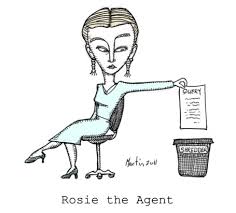 I know you may feel helpless at times. You’ve written an exciting adventure and edited it so many times you’ve lost count. You know you’ve produced a publisheable piece of work, so why isn’t it published. I’ve been there – done that.
 I remember my middle sister as a child. She was the kid who sat in the corner with her nose in a book, didn’t play well with others, well to be honest, didn’t want to play at all. Her friends were imaginary. I always thought that she was a little strange, and she probably was, but she is also one of the most talented writers I know.
 I’m a procrastinator. At least I am when it comes to writing. I know that sounds bad, and I know that it has held me up. I’ve been told by agents as well as published authors that the key to success is simple. Don’t give up!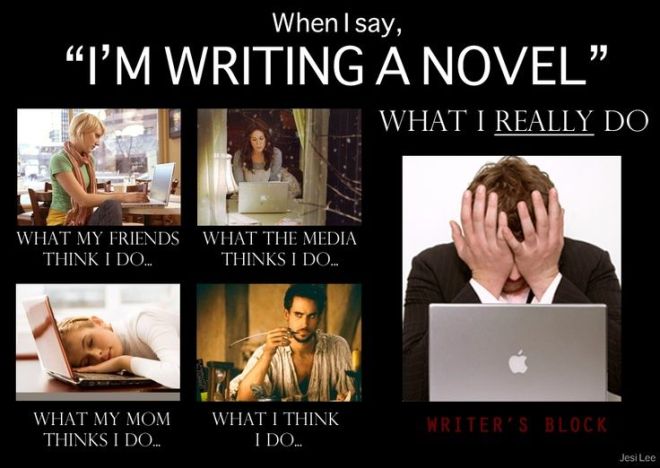
 I can’t count how many times I’ve heard the phrase, ‘show don’t tell’. We all know you’re suppose to show and not tell. Why? You want the reader to experience the scene as if they are one of the characters walking through the story beside the hero/heroine.
 I have to admit I’m guilty of a few query don’ts. Okay, maybe a lot 🙂 I didn’t know any better. Like many of you, I just thought I did. You don’t know what you don’t know. I hope you are researching and doing your homework at every stage of the process. You don’t want to send out queries with the following blunders.
 I’ve stated in previous blogs, that there are a lot of reasons why your manuscript was passed over, and many have nothing to do with the manuscript itself, but I thought it would be nice to hear it from an agent.
 I write in third person. It just comes natural to me. I like the ability to get into each of my charater’s heads at some point. Not all at once, mind you. That’s called head-hopping. Something I have been guilty of in the past. I use Shifting Limited? I never heard that phrase before. I just called it Limited, since I was in one head at a time.
 If you’re a serious writer, or serious about becoming a serious writer, you probably know what a query letter is. In case you don’t, it’s simply a letter you would send to an agent or publisher requesting representation of your novel.
