
Something to think about! He was referring to the light bulb by the way. According to his notes, it was actually 2774 times. A little exaggeration here to make the point. Glad he didn’t quit.
-Jan R
Something to think about! He was referring to the light bulb by the way. According to his notes, it was actually 2774 times. A little exaggeration here to make the point. Glad he didn’t quit.
-Jan R
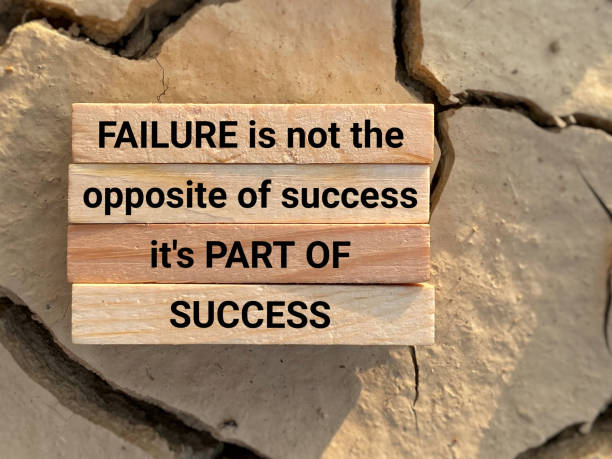
Something to think about!
-Jan R

If you are constantly looking over your shoulder, you may not finish your novel. You will be too busy battling the thoughts of it not being good enough. No one wants to be humiliated or rejected. Your inner critic will paralyze you by telling you just how bad your work really is (even if it’s not). This is another obstacle that I have had to overcome. It hasn’t gone away, I’ve just learned to deal with it.
I recall doing a Bible study on the battlefield of the mind. Though its primary purpose is dealing with spiritual warfare, it also relates to many of the issues that we deal with in our everyday lives. Our mind is a battlefield. In writing for example, all of us worry about looking dumb and never getting published. Fiction writers make a business out of being scared and not just looking dumb.
It took me six months from the time I started writing a novel, to tell my husband what I was doing. When I finally told him, I was a mess. I knew he would be excited for me and encourage me in my endeavor, and I didn’t want to let him down.
For the longest time I’ve treated my writing as a hobby. That’s not a mindset that will get you published. When I finished and sent out my first novel to a few agents, I was more than a little anxious. The first few rejections confirmed my beliefs. I just wasn’t good enough.
Note that I said I wasn’t good enough. Well that’s not exactly true. The truth is the novel wasn’t good enough. The fact is, it was filled with grammatical and structural errors, there was some serious head hopping going on, and my on-the-nose dialogue was all but bringing the story to a complete halt. If you are not familiar with these terms you should be. Go back and read the posts I have written addressing them.
I don’t know that the inner critic will ever go away. So how do you combat it? You keep moving forward and growing in your craft. Don’t stop. I still question my writing abilities, but I know that I know that I know, that they are a lot better than they were when I submitted my first novel. I’ve learned the hard way and hope to help you avoid some of my pit falls.
Some professionals recommend the following exercises to help you move forward when the inner critic tries to stop you. I do my own variation but never really thought about it.
I just pound away at the keyboard and concentrate on what I’m writing about until inspiration kicks in and it will. Just don’t quit.
-Jan R

Something to think about!
-Jan R
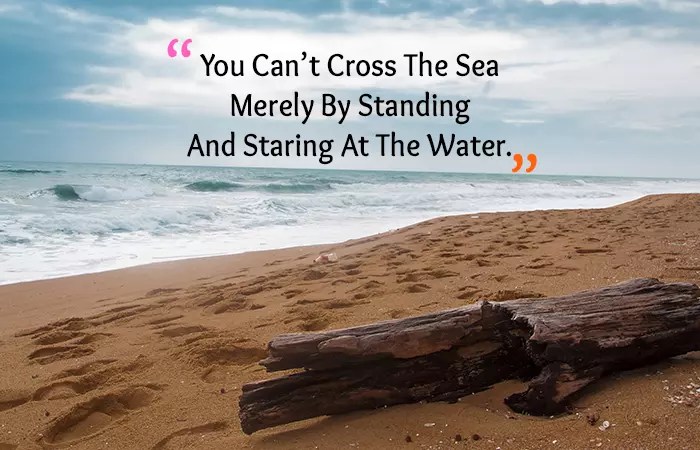
Something to think about!
Being a first time Author, I had no idea how complex the editing process was. My idea of editing included spell check, making sure punctuation was used appropriately, and everything was in the right tense (past, present…).
As I stated in an earlier blog, my novel was rejected the first time for having grammatical and structural errors as well as the dreaded dragging dialogue. Keep in mind this wasn’t the complete manuscript. The agent would have probably found far worse if she had read more of it.
When you begin editing and you will, you’ll want to take a closer look at everything. You may need to do some research, take classes, or do tutorial type seminars online. Below is a sample of the types of questions you should be asking as you read through your work.
Ask others to read your work as well, or if you would prefer not to do that then join a group online. Scribophile would be an excellent choice. I am a member of their group. Thousands of want to be authors are on the site, and they will read and critique what you have written. They would love the opportunity to interface and exchange information.
I wouldn’t rule out hiring and editor. I am currently working with a developmental editor. They can be pricey, but they have an editor’s eye and sees things that you don’t.
-Jan R

Just a reminder!
-Jan R

Something to think about!
-Jan R
What is on-the-nose writing? It’s the number one writing mistake of amateurs. It’s prose that mirrors real life without advancing your story. No one chooses to write this way. It has nothing to do with your ability to put together a sentence, paragraph, or scene. Even pros have a hard time with it.
I’m a big fan or Jerry Jenkins and recommend his blog to anyone reading my posts. I have gained so much useful information from him, and he writes in a way that anybody can understand. He’s a great teacher. With this being said, I’m using an example that he gave to help you understand on-the-nose writing.
Paige’s phone chirped, telling her she had a call. She slid her bag off her shoulder, opened it, pulled out her cell, hit the Accept Call button and put it to her ear.
“This is Paige,” she said.
“Hey, Paige.”
She recognized her fiancé’s voice. “Jim, darling! Hello!”
“Where are you, Babe?”
“Just got to the parking garage.”
“No more problems with the car then?”
“Oh, the guy at the gas station said he thinks it needs a wheel alignment.”
“Good. We still on for tonight?”
“Looking forward to it, Sweetie.”
“Did you hear about Alyson?”
“No, what about her?”
“Cancer.”
“What?”
Here’s a good example of how that scene should be rendered:
Paige’s phone chirped. It was her fiancé, Jim, and he told her something about one of their best friends that made her forget where she was.
“Cancer?” she whispered, barely able to speak. “I didn’t even know Alyson was sick. Did you?”
We don’t need to be told that the chirp told her she had a call, that her phone is in her purse, that her purse is over her shoulder, that she has to open it to get her phone, push a button to take the call, identify herself to the caller, be informed who it is. I think you’re getting the point.
This is a good example of dragging dialogue as well. It’s not necessary and adds fluff without any real purpose. Don’t distract with minutia. Give the reader the adventure they signed up for when they chose to purchase your book. Take the reader with Paige when she says:
“I need to call her, Jim. I’ve got to cancel my meeting. And I don’t know about tonight…”
Remember show don’t tell is one of the most important aphorisms of the writing life.
-Jan R

Something to think about!
-Jan R

