 When you start talking about copyright and fair use, you are breaching an extremely sensitive and ambiguous subject. How am I suppose to know if a piece of work that is copyrighted is okay to use in my novel?
You may hear somebody quote the Fair Use Act. What is fair use? It’s the legally permissible use of copyrighted material for specific purposes such as commentary, criticism, news reporting, research, teaching, or scholarship, but that doesn’t give you the right to their complete work. If you are only quoting a few lines from a full length book, you should be within the guidelines of fair use and not need to seek permission.
The reason I am interested in the laws surrounding copyright, is a song from the ’70s plays an important role in my novel. Something I didn’t realize when I started writing the book, is fair use doesn’t apply to songs. That’s because songs can have very few lines to use.
If you are thinking about slipping a line from a song in your novel, think again. Using lyrics from a song written in the past century or so can be a very expensive proposition, so most publishers won’t accept a book that quotes lyrics.
If you have to have the song lyrics in your book, follow up to see if the song is public domain or still under the copyright laws. If it’s public domain you are good to go, if not, you need to decide what you can afford to pay the owner for permission to use their work.
Anytime you use third party content without permission, you are at risk of being sued. The best thing you can do is be original. If you find it necessary to borrow from another writer, do your research and make sure you are within the law.
A good place to start your fair use search, is on the website of the U.S. Copyright Office.
Something to think about. I know I’m reviewing my novel to ensure there are no copyright infringements.
-Jan R
 I was looking at some of my older blog posts this past week, when something jumped out at me.
 When you hear the word setting, you think of a time period and place, but settings do so much more than that.
 I personally like to read communications where I don’t notice the writing at all. You can achieve that by investing in great content and then stripping away anything that detracts from it.
 Am I the only person that has a hard time writing this time of the year? I’m not talking about my blog. I’m talking about my work in progress and new ideas that are sitting on my desk.
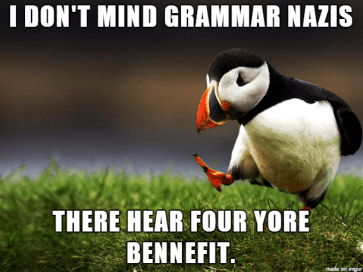 If you think grammar is just a small child’s mispronunciation of “grandmother,” and if you think syntax is a tax that the church levies on sin, maybe you should consider becoming a nuclear physicist or a neurosurgeon or just about anything at all except a novelist. Dean Koontz
 While I’ve been around for a little while now, I certainly don’t consider myself an expert. I consult the experts, and research everything I write to ensure I don’t spread inaccurate information.
 Have you ever read a sentence and stopped? You go back and read it again and again. Sometimes you probably laugh out loud, because it’s funny and definitely not what the author had in mind.
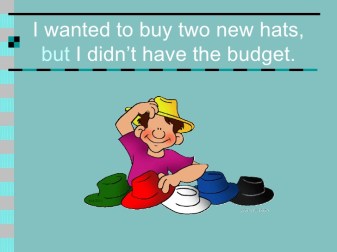 You’re probably sitting there wondering what in the world I am talking about. I know when I first read about loose sentences, I wondered what in the world the author was talking about. Well let me enlighten you. Loose sentences are sentences with the main concept at the beginning, followed by a string of related details.
 If your villain shoots down sixty people, blows up an airport terminal, hijacks a jet and then crashes it into the White House–all because his Social Security check arrived one day late, you’re going to have trouble selling your novel. Dean R. Koontz
 Writing your first novel-Things you should know