 I’m sitting on my couch attempting to crank out my Thursday morning blog. I look down and notice that I have 6 new emails in queue. I should probably turn that alert off. I of course have to find out who they are from, and if I need to respond.
Once I complete that task, I see an alert on my wordpress page. I have activity. Well I have to stop what I’m doing and click on the bell. I like it when there’s activity on my page. That means I caught someone’s attention and hopefully offered useful information.
I should probably check my Facebook page while I’m at it. I may have messages or a post that needs a response.
It’s 8:00am. I’ve managed to blow an hour with nothing to show for it. Why is it we feel we have to stop whatever we are doing and respond immediately, when we receive an email, tweet, request, or post from all of the other different sites we are affiliated with?
The majority of those posts aren’t even important, they are just mindless banter. Every email and post I looked at this morning could have waited.
Collectively, we send over 200 million emails per minute. Can you believe that? Just because someone contacts you, doesn’t mean you have to stop what you are doing and reciprocate. You have to prioritize.
Computers and phones that keep you informed of every little contact that takes place in your world is great. I love the idea of being easily accessible, if I’m needed. But these tools are not always helpful. They are also a highway for constant interruptions.
Not only do they steal your time, but they impede your creativity by interrupting the flow of ideas. You get a great idea and then the phone rings or dings if it’s a text, or if you’re like me, your phone is set up for alerts. I get them throughout the day. My phone doesn’t make a sound, but the screen lights up and my eyes and attention are called away. That one minute is all it takes to lose that idea and totally disrupt the flow.
So what’s the solution? It’s simple really.
Block off a designated amount of uninterrupted time.
Put the phone away. Turn off the alerts and focus on what you have to accomplish for the day.
Implement a daily communication schedule.
- in the morning
- before lunch
- after lunch
- at the end of the day
I do try to follow this advice, but today is not starting out as planned. I guess we all have those days 🙂
-Jan R
 So you received the dreaded rejection letter. Well it was bound to happen. You are in great company, and I wasn’t talking about me. If you are a writer, then rejection will be a part of your everyday life. Author David Eddings said, “If you don’t have callouses on your soul, writing isn’t for you. Take up knitting instead.” Funny but true.
 I ran into this question while doing some research this past week, and it made me stop and think. Is my prose to beautiful? In my case, I would say no. I never grasped that concept. I have to admit I’ve tried.
 I’m a little over half way through the revision process of the book I’m working on and dreading the next few weeks.
 Who wouldn’t want more hours in the day? I’ve said on numerous occasions, “If I only had more time.” Well we all have the same 24 hours, but we don’t all have the same energy level or focus. Some days I surpass my expectations, and some days I find myself struggling. I can’t concentrate on what my husband is saying, much less writing or editing my work.
 About six months ago, I wrote this blog as a thank you for all the hard work you do as a writer. I wanted to make sure that you understood just how important your job is. You may be locked away in a room by yourself, but your work touches a multitude of people from all walks of life.
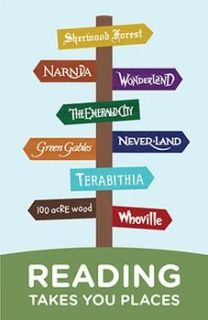 When I was growing up we were very poor. My father was killed in an accident when I was 12, leaving my mom with 6 children to raise on her own. Needless to say, we were not going to Disney World any time soon. As a matter of fact, my world would have been pretty bleak, if it hadn’t been for my love of reading and the numerous novels that took me on adventures far and beyond anything I could have ever imagined. I remember my first novel was ‘King Arthur’, pretty heavy for a kid, but I loved it.
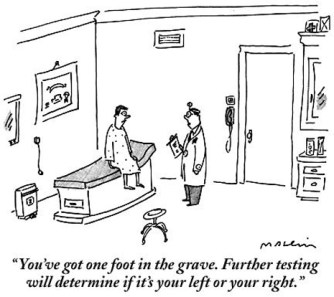 As a writer, you know one of the cardinal rules is to avoid clichés like the plague. Yes, I just used a cliché 🙂 See how easy it is. So what exactly is a cliché. It is a phrase or idea that is overused and portrays no original thought; a stereotype. There is nothing worse than being accused of lack of originality.
 Common phrases that you may not have realized were clichés are as follows:
 Have you noticed some of the books you pick up, you can’t put down. I have stayed up until 3:00-4:00 in the morning finishing a book, because I had to know how it ended. I’ve changed my plans for the day, because I couldn’t stop reading. That’s the kind of book I want to write.
 Today as I revised my novel, I noticed something that should have leaped off the page during past reviews, but didn’t. I am having a love affair with ‘ing’. These ‘ing’ words are all over the place.
 Writing your first novel-Things you should know