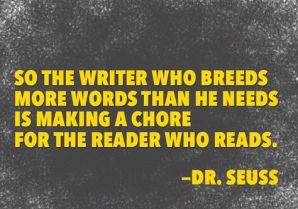
 Overwriting is a result of our own effort to figure out what’s happening in any given scene. Only after we have discovered that core truth can we know what truly belongs and what doesn’t, based on a clearer knowledge of what we’re trying to say and what the scene requires. – David Corbett
So why do we overwrite? Insecurity. Annie Dillard describes one type of insecurity as “the old one-two.” You write your thoughts, feel like you have to explain yourself and repeat what you just said using different words. Remember you want to say it once, say it well, and move on.
Another reason for overwriting is the anxiety of feeling you didn’t give your reader a clear, concise picture of what’s going on. The reader needs to know, right? Give your reader some credit. Maybe they already know what’s going on based on everything they’ve read so far, or maybe they don’t need to know everything. Leave a little mystery and give yourself fodder for upcoming chapters.
The good news is overwriting is the best problem to have. You just have to find that sweet spot where you give your readers just enough to allow their imagination to take control.
Don’t bog your reader down with needless words. Keep them engaged and moving forward with the thrill of finding out what lies just around the corner.
Something to think about.
-Jan R
 During the editing process, take a closer look at the wording of your sentences. Are all of those words really necessary, or are they just adding fluff to increase your word count? This is what we refer to as overwriting. Overwriting can result from several fundamental errors:
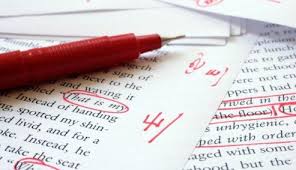 Once you’ve completed your manuscript, the fun begins. You will need to go back and cut it by a minimum of 10 percent. That sounds like a lot but once you start taking a closer look at the wording of your sentences, and the information included, you will be surprised at the number of unnecessary words you have used.
 Writing your first novel-Things you should know