 Have you thought about what tense you will be writing your story in? To be honest, I never thought about tense from that perspective. I knew the tense in my sentences had to be in agreement, and I made sure I was producing grammatically correct prose, but I never thought about the entire novel being written in a specific tense.
While there are many different tenses in the English language. You will only find two being used consistently in novels. The story will either be written in the Past tense or the Present tense.
As in many other aspects of writing, there is no wrong choice with the tense you decide to use. It’s more of a preference. There are pros and cons to each, and the tense you use may even boil down to the genre of your work.
The present tense isn’t a fan favorite, because it’s not how we tell stories. Think about when you talk to friends and are sharing an experience. It’s in the past tense.
Present tense can sound contrived and unnatural, at least at first, but one thing present tense has going for it is it makes you feel like you are right there in the middle of the action. There’s uncertainty and suspense. Events are unfolding as you read, anything could happen.
My novel is written in past tense, as are most. When you read a book in past tense, you know the person is sitting in the library writing memories and there’s no stress. They didn’t die, or they wouldn’t be able to share their story.
Following is a great example of a passage written in the past and present tense. You decide which one you like better.
Past
Jessica counted silently to five then made her move. She opened the window slowly and slid into the room, her finger to her lips to keep the child quiet. “Sarah, it’s Jessica, remember me?” She whispered
The young girl shook her head.
“We have to get you out of here away from the bad man.” Jessica motioned her toward the window.
“But he said he would hurt me if I moved.”
“He will if we don’t get you out of here now.”
Present
Jessica counts slowly to five then makes her move. She slides the window open then enters the room holding her finger to her lips to keep the child quiet. “Sarah, it’s Jessica, remember me?
Sarah shakes her head, her pigtails bouncing.
“We have to get you out of here away from the bad man. You must be very quiet.”
“That bad man said he would hurt me if I moved,” Sarah whispered.
“He will if you don’t come now, quickly.
So what do you think? Take a section of your novel and write it in both tenses. Which one do you think works best?
Something to think about.
-Jan R
 Your novel is made up of outer conflict and inner conflict. The outer conflict is what we observe. It’s the plot, the incidents inciting action and moving our story forward.
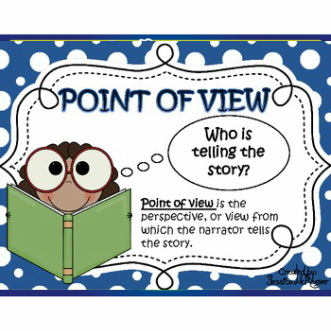 Have you thought about the point of view you will be using when you write your novel? Whose head will you be in?
 I’ve shared this blog before, but it’s been a while, and a message I think needs to be heard. As new writers, we sometimes listen to everybody but ourselves. Our friends and critique partners mean well, but if you let them, some will try to take over your novel and mold it into what they think it should be.
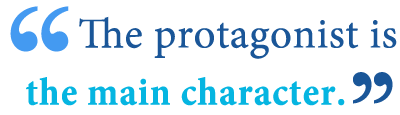 Your protagonist is the most important character in the novel. He/she will be in every moment, even if not in every scene.
 There are four main dramatic elements to your novel. You probably never thought about it, but if you did it right, they are there. If they’re missing, you need to revisit your work and make some adjustments.
 Plot versus story? I have to be honest, I thought they were the same thing. I was listening to an instructor this week who set me straight. They are not, and both components are necessary for a successful novel.
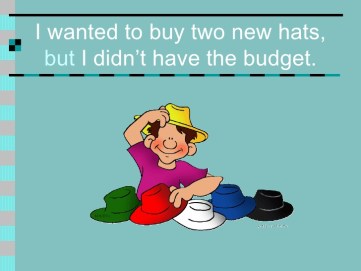 You’re probably sitting there wondering what in the world I am talking about. I know when I first read about loose sentences, I wondered what in the world the author was talking about. Well, let me enlighten you. Loose sentences are sentences with the main concept at the beginning, followed by a string of related details.
 I’ve written before about the importance of the first five pages of your manuscript. If you ever decide to go the traditional route of publishing, the agent usually asks for the first five pages. That’s all he/she needs to evaluate your writing and premise. In those first five pages, they know if they want to continue reading or not. It’s the same with the person who buys your book.
 Have you ever read a paragraph or two of a novel and found yourself yawning, your eyes getting heavy? You probably didn’t get past much more than a few paragraphs before putting it down.
 Writing your first novel-Things you should know