Something to think about!
-Jan R
Something to think about!
-Jan R

While I’ve been around for a little while now, I certainly don’t consider myself an expert. I consult the experts, and research everything I write to ensure I don’t spread inaccurate information.
As a new writer, we don’t always know if what we are reading is fact, fiction, or opinion. We are hungry for information that is going to help us become better writers, and more importantly, that is going to help us become successful and published.
When I began this journey, I was literally starting from scratch. I assumed like many of you, that anybody could write a novel. I had a great idea and put pen to paper, or I guess I should say fingers to keys.
It wasn’t until I submitted it to agents, that I discovered there were rules on POV, writing dialogue, plotting, use of description, setting scenes… I needed information. I needed accurate, easy-to-understand information from someone who knew what they were talking about.
I opened my computer and began typing. If it’s on the internet, it has to be correct, right? That’s what most of us think, at least that’s what I thought. If I was having problems with dialogue, one of my weaknesses, I would type in dialogue and go for it. There were so many articles and blog posts to read. While most offered invaluable information, I would occasionally run into one that lead me astray, or left me more confused than I was before I started my research.
I feel like I’m rambling today, but my aim for this particular blog is to caution new writers. Just because something is written on-line, doesn’t mean it’s correct. Choose your sources wisely. Do your research. There is a lot of useful information out there, but you will occasionally run into something that is inaccurate, or so ambiguous you are left more confused than you were when you started your research.
My husband is always saying technology is wonderful. You have the world at your fingertips, but you can’t check your brain in at the door.
Something to think about.
-Jan R

Something to think about!
-Jan R
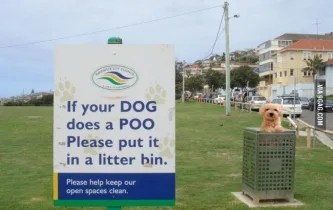
I needed a laugh today and reread one of my old posts. I thought I would share it with you, as many of my followers are new and may have never read it 🙂
Have you ever read a sentence and stopped? You go back and read it again and again. Sometimes you probably laugh out loud, because it’s funny and definitely not what the author had in mind.
You want see those sentences in published work. By the time your manuscript hits the publishers desk, the sentences have been cleaned up.
So if you haven’t figured it out, I’m talking about sentences with dangling modifiers. A modifier describes, clarifies, or gives more detail about a concept.
A dangling modifier is misplaced because it doesn’t have anything to modify. The word or words a dangling modifier should modify have been omitted from the sentence. I know you hear professionals say cut, cut, cut, but some words should not be cut.
“Always suspect an -ing word of dangling if it’s near the front of a sentence; consider it guilty until proven innocent.” –Patricia O’Connor.
Incorrect: Reading the regulations, the dog did not enter the park.
Correct: After reading the regulations, I did not enter the park with my dog.
And then there’s…
The kind mother, handed out bologna sandwiches to all the children in Ziploc bags. (What were they doing in Ziploc bags?)
The robber was in his late thirties and about 6’2″, with long curly hair weighing about 160 lbs. (I think I would cut a little bit of that hair.)
The homeowner chased the intruder wearing nothing but his underwear. (Who was wearing nothing but underwear?)
Just for laughs…..
I know most of you have dangling modifiers down, but they are so much fun.
-Jan R

Something to think about!
-Jan R
I do a lot of critiques for different writers during the week. Some of the writers are very polished, others, not so much.
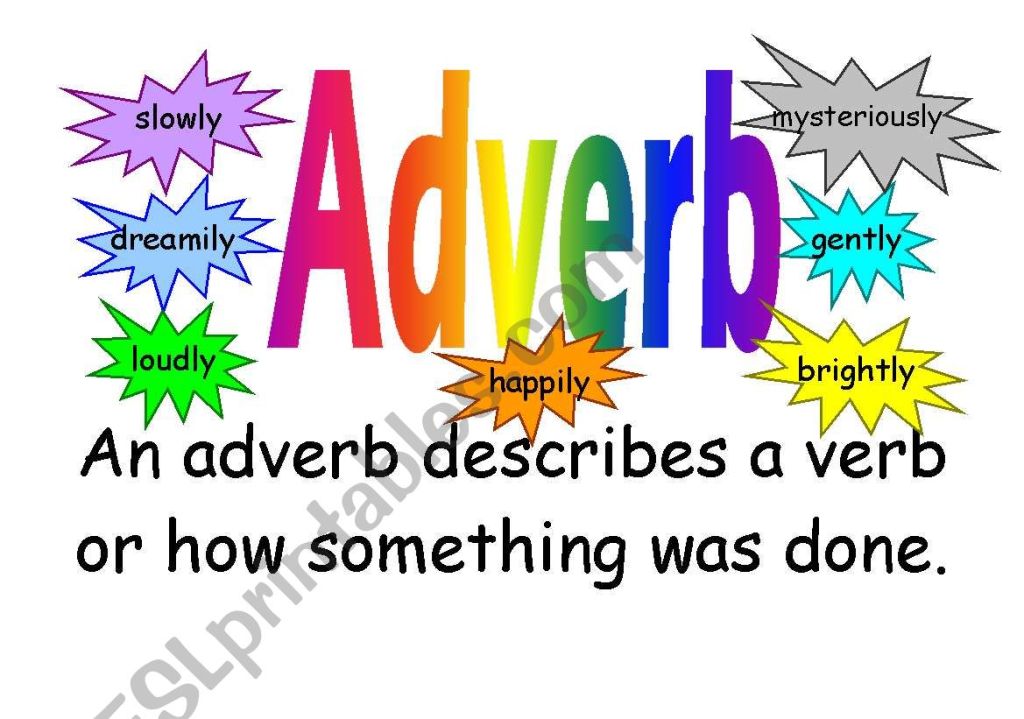
The one thing I’ve noticed in all levels, is an abundance of adverbs. I must admit, I get jealous at how prettified some of those sentences read. I can’t write like that. My brain isn’t wired that way.
According to William Noble, many inexperienced writers, and I will add-unpublished but have been around the block a few times writers, throw in “pretty” words(adverbs or adjectives) to make their prose more dramatic and meaningful. These cosmetic touch-ups often turn out to be redundant or simply uninspiring. They bog down your story without adding meaning.
Is the adverb necessary?
He zoomed around the oval speedily. Is it possible to zoom without speeding?
He stuttered haltingly. Can you stutter without doing it haltingly?
What about ‘show don’t tell’? Adverbs encourage lazy writing.
He whispered to her lovingly. (Telling)
He whispered words of love…my sweet, dear lover, my angel…(Showing)
Remember, there are better ways to prettify your prose, and using adverbs isn’t one of them. You’re going to have to roll up your sleeves and get to work. Start showing not telling.
I am not a NEVER ADVERBS person. Sometimes they are necessary to provide detail or clarity.
The man sang loudly.
The girl was really cute.
When a writer needs to set up a scene and move through it quickly, then the adverb shortcut isn’t a bad idea. The problem comes when the shortcut becomes the norm, and your reader is left with an uninteresting experience.
What’s wrong with Adverbs? Nothing as long as you don’t abuse them.
Something to think about.
-Jan R
Something to think about!
-Jan R
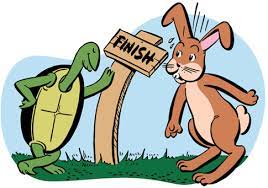
I read an article recently that described openers and finishers. I had never really thought about it, though if I had to identify with one of the two, it would definitely be finisher.
An opener is someone with grand ideas, too many grand ideas. They get bogged down and jump back and forth between projects, never to finish one, or they allow themselves to become discouraged and quit before crossing the finish line.
A finisher as you may have already guessed, finishes what they start. They stick to one project at a time and move at a slow consistent pace until they have completed their work or met their goal.
I usually have two projects going at one time. The primary work in progress, and the secondary project, that I plan to continue as my next novel. This allows for a break when I just need to get away from my primary work, and it allows me to continue moving forward. If other great ideas jump into my head while I am working on these two projects, I simply jot them down, so I don’t forget. I can pick them up later.
When I read this article, I couldn’t help but think about ‘The Tortoise and The Hare’. The Hare was enthusiastic and fast, but he allowed distractions (other projects) to get in his way, and he looked for shortcuts to help him catch back up. Of course, we all know how that went.
The Tortoise on the other hand, stood at the starting line with one thing in mind, finishing the race. He didn’t try to take any shortcuts, which could result in inferior work. He was in for the long haul. He wasn’t giving up.
Since my adventure began, I have read numerous stories from well-known authors about their journeys to becoming published. The one common theme in all of their stories was perseverance. I’ve put so much time and effort into my craft, I can’t help but feel discouraged at times. It helps and encourages me to know that I am not alone but in great company.
If you have a high quality, marketable piece of work, persevere and you will eventually find an agent and get published. Kathryn Stockett wrote, ‘The Help’ over a five-year period of time, then had three and a half years’ worth of rejections-60 in all. It was agent number 61 who took her on. The book spent 100 weeks on the best seller list.
The agent that took the time to work with me, always ended her critique s with the phrase don’t give up.
We all know who won that race. Are you the Tortoise or the Hare?
Something to think about.
–

Something to think about!
-Jan R
A few years ago, I picked up a copy of “The Elements of Style” at a library book sale for a dollar. If you’ve never heard of the book, I would highly recommend it. It’s one of those books that every writer should own.
It is filled with tips on how to write and make every word count, or every word tell, as the authors like to put it.
One of the tips offered, that I am guilty of, is avoiding the addition of qualifiers to your words. Qualifiers are words like rather, very, pretty, big, and little. My favorite one to use, or misuse I should say, is very 🙂 These words are described as leeches that take hold and suck the blood out of your words.
Because ‘very’ is my nemesis, I thought I would share a picture that I found on Google Images. As you can see, it provides alternatives to using ‘very’ and gets you to thinking about what you are really trying to say. I love it, and it has been very helpful (invaluable) to me. I hope it helps you as well.

Something to think about!
-Jan R
 Writing your first novel-Things you should know